How to Season and Maintain a Cast Iron Skillet for Non-Stick Cooking: A Complete Guide
By OneIDDeal™ | Published: 2026-06-30
Category: How-to Guides
Learn expert tips on seasoning and maintaining a cast iron skillet for non-stick cooking. Discover step-by-step methods, common mistakes, and essential tools for long-lasting cast iron care.
Cast iron skillets are the workhorses of the kitchen—durable, heat-retaining, and capable of producing perfectly seared steaks, crispy fried eggs, and golden cornbread. But to unlock their non-stick potential, you need to master the art of seasoning. Seasoning isn't just a one-time event; it's an ongoing process that protects your skillet and makes it naturally non-stick. In this guide, we'll walk you through everything from initial seasoning to daily maintenance, so your cast iron skillet becomes a cherished heirloom.
What Is Cast Iron Seasoning and Why Does It Matter?
Seasoning is a layer of polymerized oil that bonds to the iron surface at high heat. This layer creates a smooth, non-stick finish that also prevents rust. Unlike modern non-stick coatings, a well-seasoned cast iron skillet can last for generations with proper care. The key is to build up multiple thin layers over time—each layer makes the surface slicker and more resistant to sticking.
How to Season a New Cast Iron Skillet from Scratch
If you've just bought a new skillet, it likely comes pre-seasoned from the factory, but many cooks prefer to add their own seasoning for better performance. Here's a step-by-step process:
- Wash and dry: Scrub the skillet with warm water and a small amount of mild soap (contrary to old myths, a bit of soap is fine). Dry it completely with a lint-free cloth or on a low stove burner.
- Apply oil: Use a high-smoke-point oil like flaxseed, grapeseed, or canola. Apply a thin layer all over the skillet—inside, outside, and handle. Then, use a clean cloth to wipe off as much as possible. The goal is a microscopic layer.
- Heat it up: Place the skillet upside down in an oven preheated to 450–500°F (230–260°C). Put a baking sheet or foil on the rack below to catch drips. Bake for 1 hour, then turn off the oven and let the skillet cool inside.
- Repeat: For the best results, repeat the process 3–4 times. Each cycle adds a new polymer layer, gradually building a dark, glossy finish.
Once seasoned, your skillet is ready for use. Remember, the first few cooks might still be a bit sticky—use extra oil until the seasoning matures.
Daily Maintenance for a Non-Stick Cast Iron Skillet
After each use, follow these steps to keep your skillet in top shape:
- Clean while warm: After cooking, let the skillet cool slightly, then rinse with hot water and scrub with a stiff brush or chainmail scrubber. Avoid soap if possible, but a drop is okay if needed for stuck-on food.
- Dry immediately: Cast iron rusts quickly. Dry the skillet on a low stove burner for a few minutes to evaporate all moisture.
- Apply a thin oil layer: While the skillet is still warm, rub a tiny amount of oil (like vegetable or flaxseed) over the cooking surface with a paper towel. This protects the seasoning until next use.
If you notice food starting to stick, it's a sign that the seasoning is thinning. Don't panic—you can do a quick stove-top seasoning session. Heat the skillet on medium, add a tablespoon of oil, and rub it around with a paper towel until it smokes. Let it cool, and you're back in business.
Common Mistakes That Ruin Cast Iron Seasoning
Even experienced cooks make errors. Avoid these pitfalls:
- Using too much oil: Thick oil layers become sticky and gummy. Always wipe off excess—less is more.
- Cooking acidic foods too early: Tomatoes, vinegar, and citrus can strip a young seasoning. Wait until the skillet has a solid, dark black layer (after many uses) before cooking acidic dishes.
- Soaking in water: Never leave cast iron in the sink or soak it. Water causes rust and weakens seasoning.
- Using metal utensils aggressively: While seasoned cast iron is tough, metal spatulas can scratch if the seasoning is thin. Use wooden or silicone tools for delicate tasks.
If your skillet does rust, scrub it off with steel wool, dry it, and re-season immediately.
How to Restore a Rusty or Neglected Cast Iron Skillet
Found an old skillet at a flea market? Don't worry—you can bring it back to life. First, remove rust using a mixture of vinegar and water (1:1) or a commercial rust remover. Scrub with steel wool until all orange spots are gone. Then, follow the seasoning steps above (oven method) to build a fresh layer. It may take several cycles, but the result will be a smooth, non-stick surface.
Essential Tools for Cast Iron Care
To make maintenance easier, consider these helpful accessories from OneIDDeal™:
- A chainmail scrubber for stubborn residues without damaging seasoning
- High-smoke-point oils like grapeseed or avocado oil for seasoning
- Heat-resistant silicone handles for safe gripping
- A dedicated skillet cover to prevent dust and scratches during storage
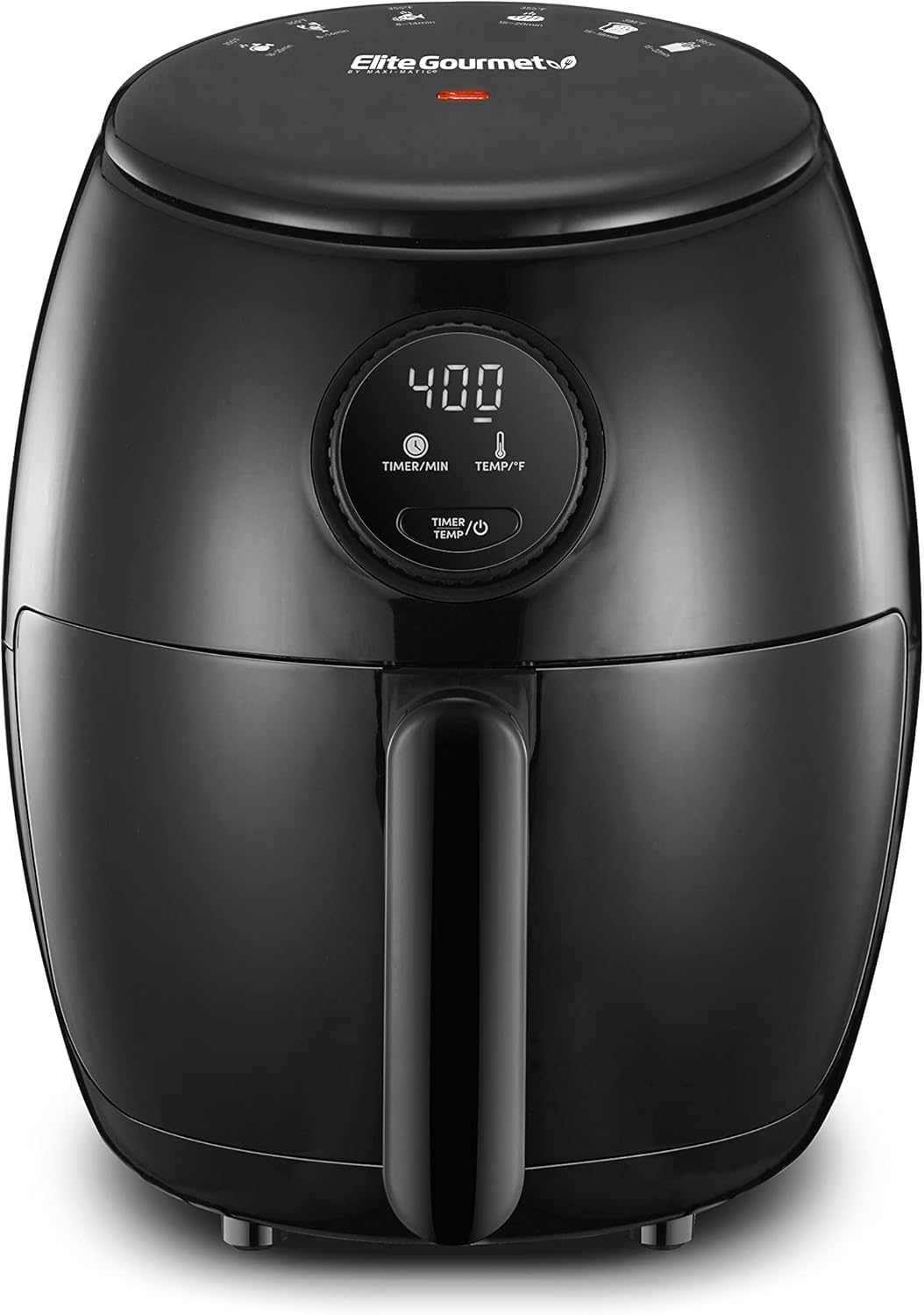
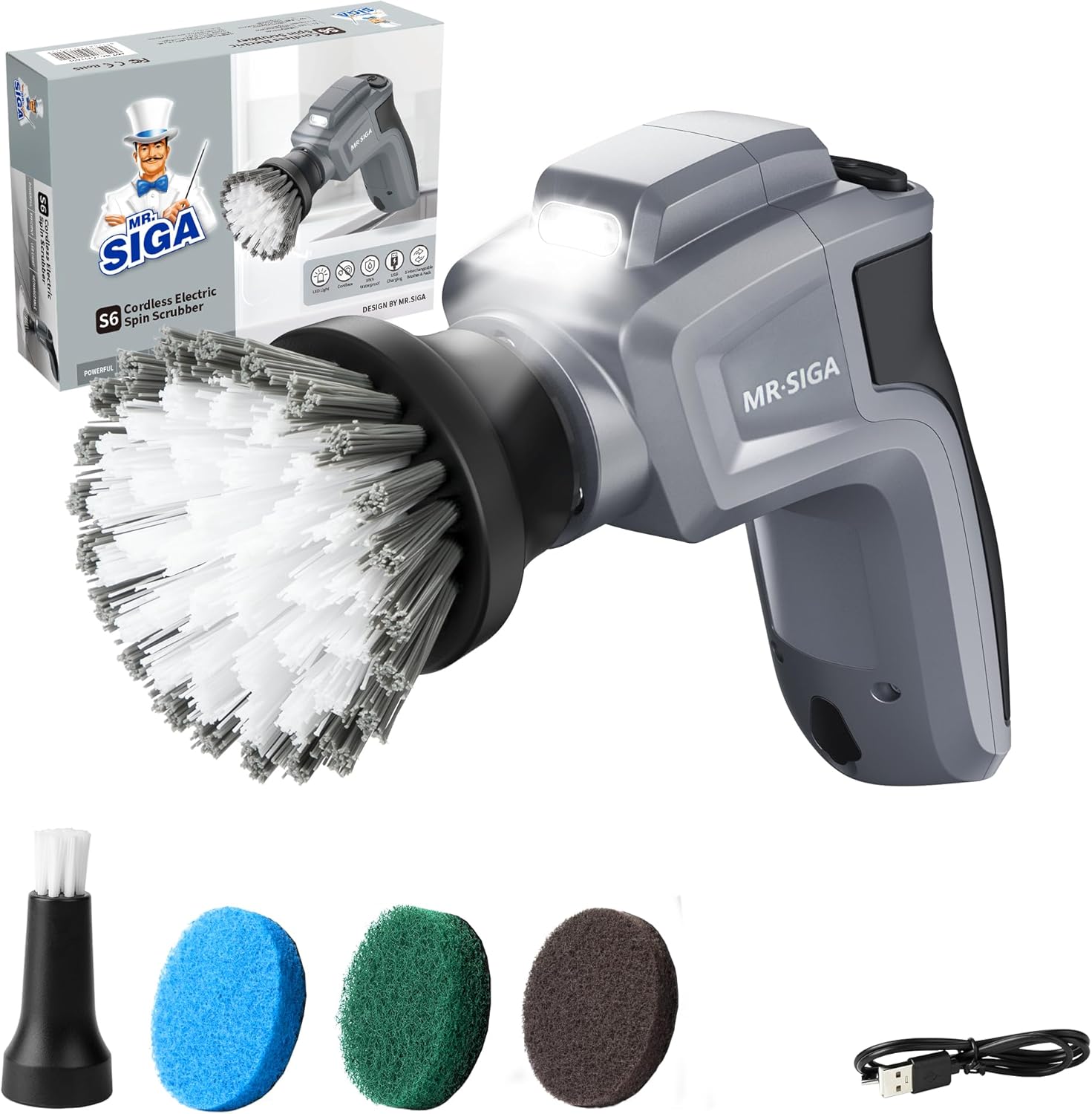
Also, for quick cleanup of kitchen counters and stovetops after cooking, the MR.SIGA Electric Spin Scrubber is a fantastic tool—its rotating brushes can easily wipe down greasy surfaces without elbow grease. And if you enjoy cooking multiple dishes, the Elite Gourmet Compact 8.5Qt Air Fryer Oven pairs beautifully with cast iron for roasting vegetables or reheating leftovers while your skillet handles the main course.

Frequently Asked Questions About Cast Iron Seasoning
Can I use olive oil for seasoning?
Olive oil has a relatively low smoke point (around 375°F), which can lead to a sticky layer. It's better to use oils with a smoke point above 450°F, such as grapeseed, canola, or flaxseed.
Should I wash my cast iron with soap?
Modern mild dish soaps are safe for seasoned cast iron—they won't strip the polymerized oil. However, avoid harsh detergents or soaking.
Why does my food taste metallic?
This usually happens with new seasoning or if the skillet is under-seasoned. Cook fatty foods like bacon or fry potatoes for a few meals to build up the layer, and the metallic taste will fade.
When to Re-Season Your Cast Iron Skillet
You don't need to re-season every time you cook. Signs that seasoning is needed include:
- Food sticks even with oil
- The surface looks dull, gray, or patchy
- Rust spots appear
- The skillet feels rough to the touch
When you see these signs, do a quick stove-top seasoning or an oven session (if time allows). Regular maintenance will keep the need for full re-seasoning to a minimum.
Conclusion: Master Cast Iron Care for Lifelong Non-Stick Cooking
Learning to season and maintain a cast iron skillet transforms it from a lump of iron into a reliable, non-stick cooking surface. With consistent care—thin oil layers, proper cleaning, and avoiding common mistakes—your skillet will improve with age. Start with a fresh seasoning, keep it dry, and cook with confidence. For everyday kitchen cleanup, don't forget tools like the MR.SIGA Electric Spin Scrubber to keep your cooking space spotless. Whether you're a beginner or a seasoned cook, these tips will help you enjoy the unbeatable performance of cast iron for years to come.
Call to Action
Ready to elevate your cooking game? Explore our Elite Gourmet Compact 8.5Qt Air Fryer Oven for perfectly roasted sides while your cast iron skillet handles the main dish. Shop now at OneIDDeal™ for all your kitchen essentials!