How to Use a Mandoline Slicer Safely and Efficiently: Tips for Perfect Slices Every Time
By OneIDDeal™ | Published: 2026-06-27
Category: How-to Guides
Master the art of using a mandoline slicer with expert safety tips and efficiency hacks. Learn how to achieve perfect, uniform slices for salads, fries, and more in your kitchen.
A mandoline slicer is one of the most versatile kitchen tools for achieving uniform, restaurant-quality slices in seconds. Whether you're prepping vegetables for a stir-fry, making homemade potato chips, or slicing cucumbers for a refreshing salad, a mandoline can save you time and effort. However, its sharp blades can be dangerous if not used correctly. In this guide, we'll cover essential safety tips, efficiency techniques, and the best practices for perfect slices every time. Plus, we'll show you how to integrate this tool into your daily food prep routine with ease.
Why Use a Mandoline Slicer for Food Prep?
Mandoline slicers are designed to create consistent, even slices that are difficult to achieve with a knife. This precision is crucial for dishes that require uniform cooking times, such as gratins, baked chips, or layered salads. With adjustable thickness settings, you can customize slices from paper-thin to thick-cut in seconds. For home cooks looking to streamline their food prep, a mandoline is a game-changer. It reduces prep time, minimizes waste, and ensures your dishes look as good as they taste.
Safety First: Essential Tips for Safe Slicing
Safety is paramount when using a mandoline slicer. The blades are extremely sharp, and a slip can lead to serious cuts. Follow these guidelines to protect your hands and fingers:
1. Always Use the Handguard
Most mandolines come with a handguard or food holder. Never slice without it. The handguard keeps your fingers away from the blade and provides a secure grip on the food. If your mandoline doesn't have a handguard, consider using a cut-resistant glove as an alternative.
2. Secure the Mandoline on a Stable Surface
Place a damp paper towel or a non-slip mat under the mandoline to prevent it from sliding during use. A stable surface ensures that the slicer doesn't move, reducing the risk of accidents.
3. Use the Correct Technique
Hold the food firmly with the handguard and apply even pressure as you slide it across the blade. Avoid forcing the food through—let the blade do the work. For long vegetables like carrots or zucchini, cut them in half crosswise to make them easier to handle.
4. Keep Blades Sharp and Clean
Dull blades can cause the food to stick or require extra pressure, increasing the risk of slipping. Regularly clean the blades with a brush to remove food debris, and store the mandoline with the blade guard in place to protect both the tool and your hands.
Efficiency Techniques for Faster Food Prep
Once you've mastered safety, you can focus on efficiency. Here are tips to speed up your food prep with a mandoline:
1. Prep Ingredients in Batches
Wash and trim all your vegetables before slicing. For example, peel potatoes, cut bell peppers into flat sides, and trim the ends of cucumbers. This batch approach minimizes interruptions and keeps the workflow smooth.
2. Adjust Thickness Settings for Different Dishes
Most mandolines offer multiple thickness settings. For thin slices (1-2 mm) for chips or carpaccio, use the finest setting. For thicker slices (4-5 mm) for gratins or roasted vegetables, adjust accordingly. Practice with a few test slices to dial in the perfect thickness.
3. Use a Catch Tray or Bowl

Many mandolines come with a collection tray or can be placed over a bowl to catch the slices. This eliminates the need to transfer slices manually and keeps your workspace clean.
4. Clean as You Go
Rinse the blade and handguard between different foods to avoid cross-contamination. For example, after slicing raw onions, rinse before slicing tomatoes. This simple step prevents flavor mixing and keeps your mandoline ready for the next task.
Choosing the Right Mandoline Slicer for Your Kitchen
Not all mandolines are created equal. When shopping for a kitchen tool, consider the following features:
- Blade Material: Stainless steel blades are durable and resist rust.
- Adjustable Thickness: Look for a model with a wide range of settings (from 0.5 mm to 8 mm).
- Safety Features: A built-in handguard, non-slip feet, and a blade lock are essential.
- Ease of Cleaning: Dishwasher-safe parts simplify cleanup.
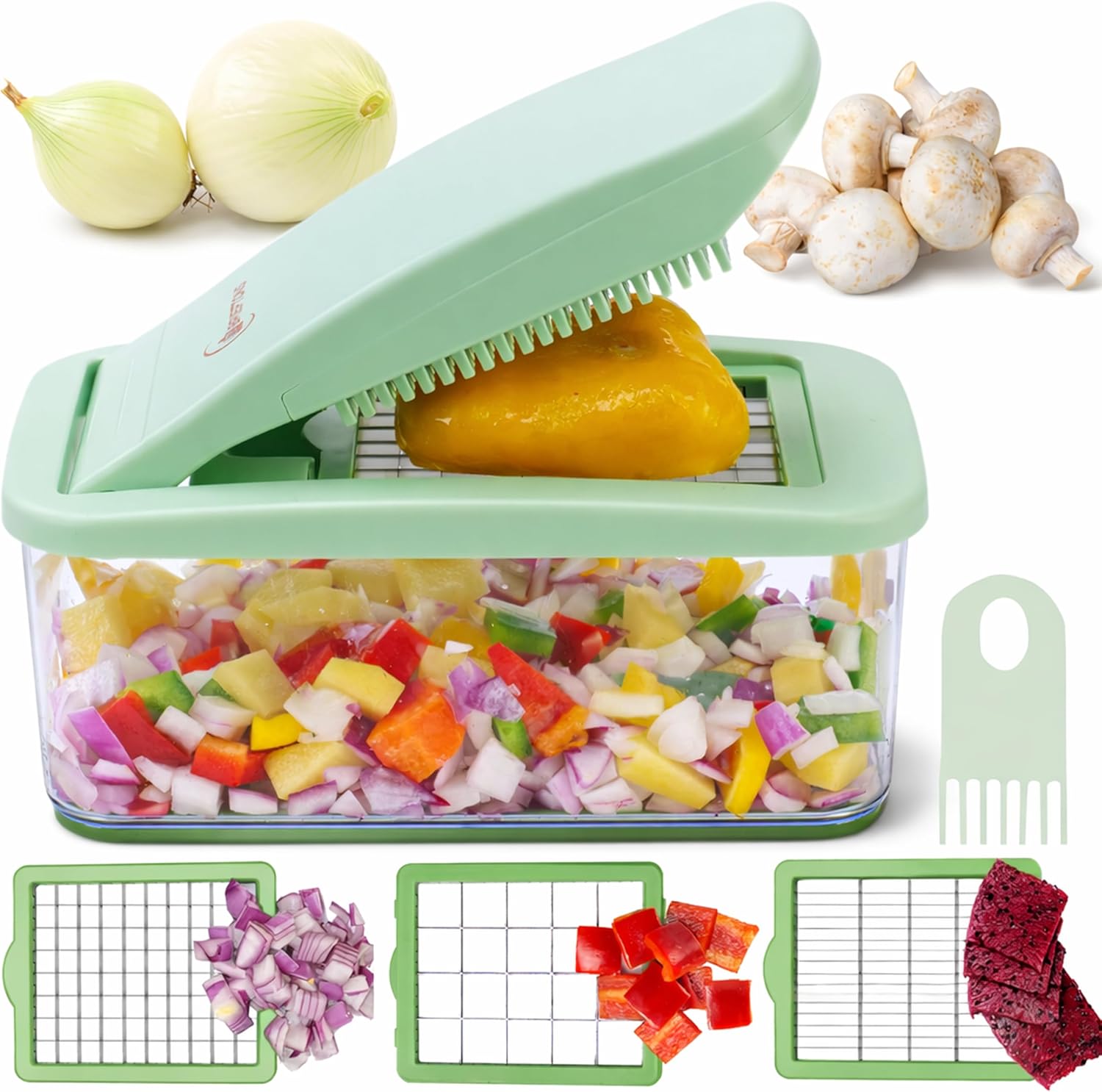
While a dedicated mandoline is ideal, you can also achieve similar results with a Brieftons QuickPush Food Chopper: Vegetable Dicer Slicer, Onion Cutter, 3 Extra-Large Blades with 200% More Cutting Area to Chop Dice Slice Vegetables, 2.6-Quart Container. This versatile tool not only slices but also dices and chops, making it a great addition to any kitchen. For uniform slicing, the QuickPush's wide blades cut through vegetables effortlessly, and its container catches everything for mess-free prep.
Common Mistakes to Avoid When Using a Mandoline Slicer
Even experienced cooks can make mistakes. Here are common pitfalls and how to avoid them:
| Mistake | Solution |
|---|---|
| Slicing without a handguard | Always use the handguard or a cut-resistant glove. |
| Using excessive force | Let the blade do the work; apply gentle, even pressure. |
| Slicing unevenly shaped foods | Cut foods into flat, even surfaces before slicing. |
| Not cleaning between uses | Rinse blades immediately after use to prevent food from drying on. |
| Storing without a blade guard | Always store with the guard on to protect the blade and your hands. |
Integrating a Mandoline into Your Meal Prep Routine
To get the most out of your mandoline, incorporate it into weekly meal prep. For example, slice a large batch of potatoes for homemade fries or chips, then store them in water in the fridge to prevent browning. Slice onions and bell peppers for stir-fries, and julienne carrots for salads. Pair your sliced vegetables with a high-quality storage solution, such as the Really Useful Box 3-Pack Clear Stackable Storage Containers with Snap Lids, 32 Liters - Plastic Organizer Bins with Clip-Lock Handles for Home, Bedroom, Closet, Bathroom, Garage, and Office, to keep your prepped ingredients fresh and organized. These stackable bins are perfect for storing sliced veggies, and their transparent design lets you see contents at a glance.
Maintenance and Care for Long-Lasting Use
To keep your mandoline slicer performing like new, follow these maintenance tips:
- Hand Wash Only: Even if dishwasher-safe, hand washing prevents damage to the blade edge.
- Dry Immediately: After washing, dry the blade with a soft cloth to prevent rust.
- Lubricate Moving Parts: Apply a drop of food-grade oil to the adjustment mechanism if it becomes stiff.
- Store Safely: Keep the mandoline in a drawer or cabinet with the blade guard on, away from other utensils that could dull the blade.
Conclusion
Using a mandoline slicer safely and efficiently transforms your food prep experience. By following the safety tips and efficiency techniques outlined above, you can achieve perfect slices every time, reduce prep time, and elevate your home cooking. Whether you're making a quick salad or a complex gratin, a mandoline is an invaluable kitchen tool that pays for itself in time saved and consistency gained.
Ready to upgrade your kitchen? Explore the Brieftons QuickPush Food Chopper today for a versatile slicing, dicing, and chopping solution that makes meal prep a breeze. Plus, check out the Really Useful Box 3-Pack to keep your prepped ingredients organized. Happy slicing!