How to Train Your Dog to Use a Slow Feeder Bowl: Tips for Healthier Eating Habits
By OneIDDeal™ | Published: 2026-06-09
Category: How-to Guides
Learn effective dog training tips to transition your pet to a slow feeder bowl, prevent bloat, and improve eating habits for a healthier, happier dog.
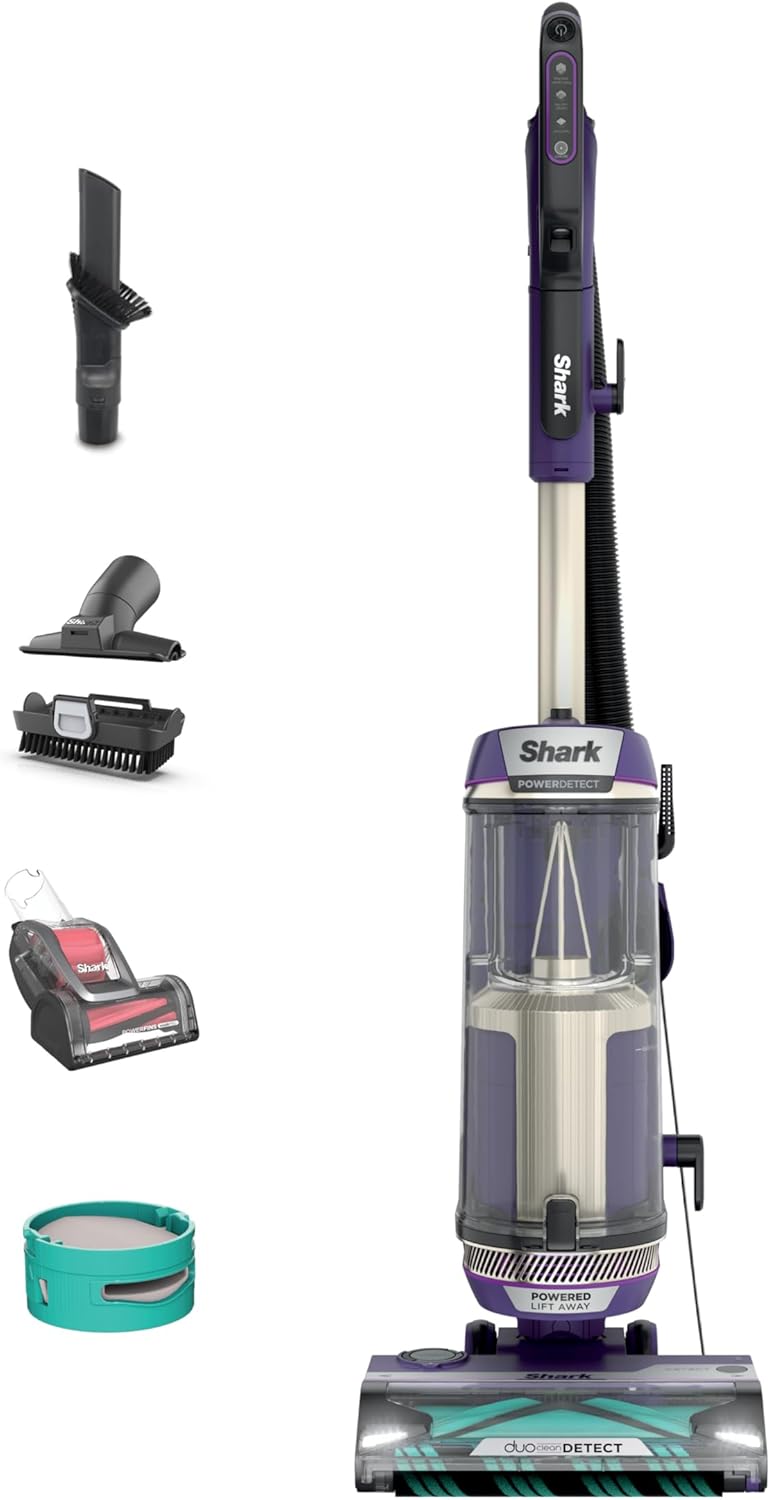
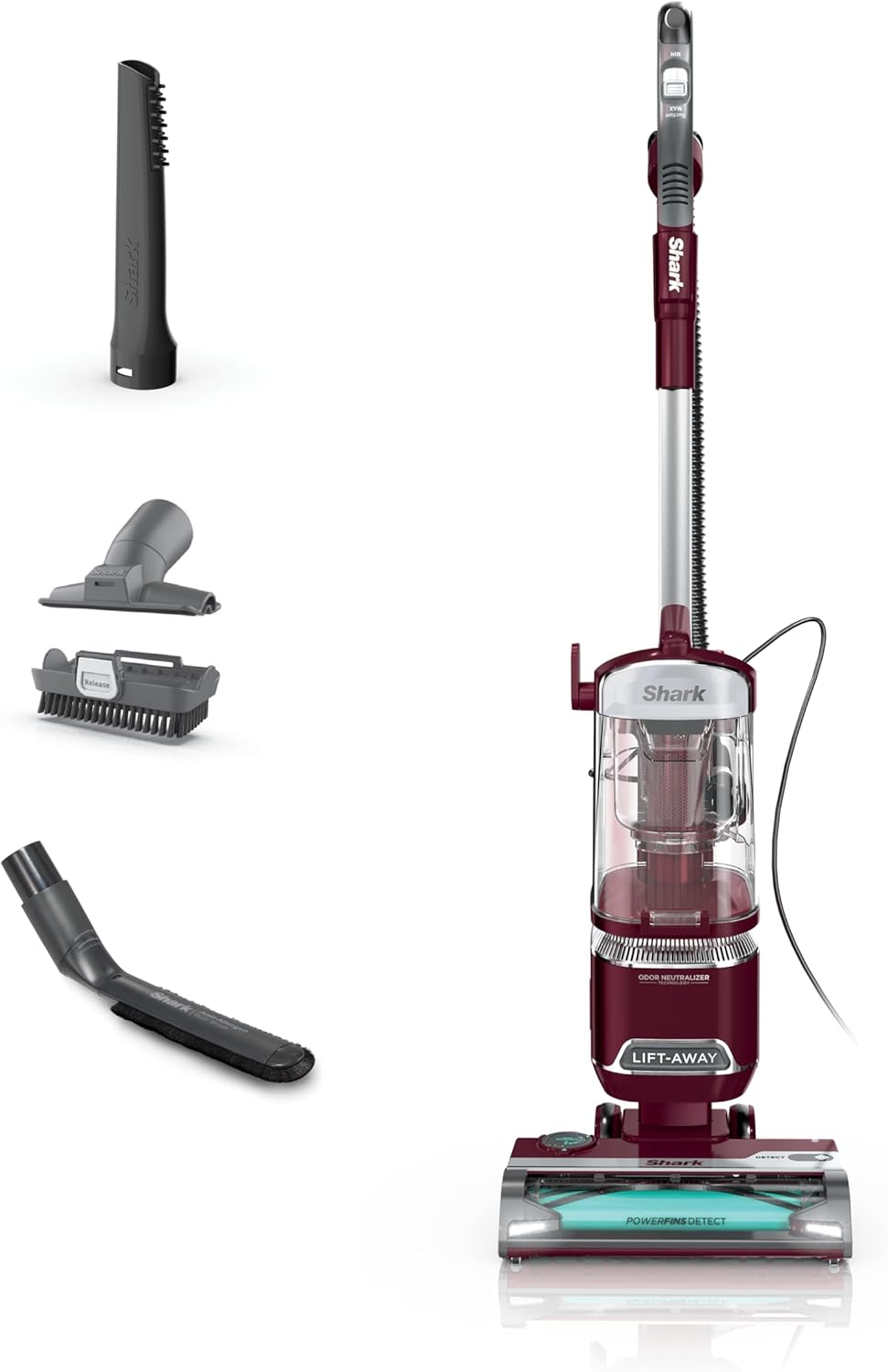
Does your dog inhale their food in seconds flat? While it might seem harmless, rapid eating can lead to serious health issues including choking, vomiting, bloat (gastric dilatation-volvulus), and obesity. Teaching your dog to eat slowly is one of the best gifts you can give their digestive health. In this guide, we’ll walk you through a step-by-step process to train your dog to use a slow feeder bowl, why it matters, and how to maintain healthier eating habits for life. We’ll also highlight some affordable solutions from OneIDDeal™ that make the transition easier, including the versatile Kitchen Cloth (5-Pack) for quick cleanup, and the powerful Shark Upright Vacuum, Navigator Lift-Away with Self-Cleaning Brushroll, HEPA Filter, Swivel Steering, Upholstery Tool & Pet Crevice Tool, Perfect for Pets to keep your floors spotless during training.
Why Do Dogs Eat So Fast?
Dogs evolved as scavengers, and in the wild, eating quickly meant getting their share before another animal stole it. This instinct remains strong in domesticated dogs, especially if they have experienced food scarcity or competition with other pets. Some dogs also bolt their food because they find the taste and texture highly rewarding. While this behavior is natural, it can be dangerous in a home setting. Common risks include:
- Bloat (GDV): Rapid eating fills the stomach with air, increasing the risk of a life-threatening condition called gastric dilatation-volvulus, particularly in deep-chested breeds like Great Danes and German Shepherds.
- Choking and vomiting: Swallowing food without chewing can cause choking or regurgitation.
- Obesity: Fast eaters often consume more food before feeling full, leading to weight gain.
- Bacterial contamination: Food left uneaten in the bowl too long can spoil, but a fast eater never gives their digestive system a break.
What Is a Slow Feeder Bowl?
A slow feeder bowl is designed with internal ridges, mazes, or bumps that force your dog to work around obstacles to reach their kibble. This naturally slows down eating by 5 to 10 times compared to a standard flat bowl. Many models also feature non-slip bases and are dishwasher safe for easy cleaning. At OneIDDeal™, you’ll find a range of slow feeder bowls under the Pet Cleaning Deals category, often paired with mats to catch spills. For example, using a slow feeder bowl can reduce eating speed by up to 70% in just a few days.
Benefits of Using a Slow Feeder Bowl
- Reduces the risk of bloat and digestive upset
- Prevents gulping of air, which causes gas and discomfort
- Encourages mental stimulation as your dog works for their food
- Helps maintain a healthy weight by slowing intake
- Improves dental health by promoting chewing
Step-by-Step Dog Training for a Slow Feeder Bowl
Training your dog to accept a new bowl requires patience and positive reinforcement. Here’s a proven method:
Step 1: Introduce the Bowl Without Food
Place the empty slow feeder bowl on the floor near your dog’s usual feeding spot. Let them sniff and explore it. Reward calm behavior with a treat. Do this for 2–3 sessions over a day or two.
Step 2: Add a Small Amount of Kibble
Start with just a handful of kibble scattered in the bowl’s crevices. Your dog will need to nose around to get it. Stay close and offer encouragement. If your dog seems frustrated, guide them gently by pointing to the food. Never scold them for taking a break.
Step 3: Gradually Increase Portion Size
Over the next 3–5 days, slowly increase the amount of food until you’re serving a full meal. Monitor your dog’s eating time—aim for at least 10–15 minutes per meal. If they still finish too fast, consider a bowl with deeper obstacles or a smaller surface area.
Step 4: Use Positive Reinforcement
Reward your dog with praise and a small treat when they eat calmly from the slow feeder. Avoid using the bowl for treats initially—keep it exclusively for meals to build a strong association.
Step 5: Clean the Bowl After Every Meal
Slow feeder bowls can trap food debris and bacteria. Wash the bowl with warm soapy water or in the dishwasher daily. For quick wipe-downs, the Kitchen Cloth (5-Pack) is perfect—its absorbent, non-abrasive material picks up grease and residue without scratching the bowl’s surface.
Common Challenges and Solutions
Not every dog takes to a slow feeder bowl immediately. Here are typical issues and how to address them:
| Challenge | Solution |
|---|---|
| Dog ignores the bowl and walks away | Hand-feed a few pieces from the bowl to build interest, then gradually transition. |
| Dog flips the bowl over | Choose a bowl with a heavy, non-slip base or use a mat to hold it steady. |
| Dog eats too fast even with obstacles | Try a bowl with more complex patterns or a smaller diameter. |
| Dog becomes anxious or frustrated | Take a step back—return to empty bowl introduction and use high-value treats. |
Additional Tips for Healthier Eating Habits
Beyond using a slow feeder bowl, consider these practices to support your dog’s overall health:
- Set a consistent feeding schedule: Two meals per day for adult dogs, three for puppies. This prevents overeating and regulates digestion.
- Elevate the bowl: For large breeds, an elevated feeder can reduce neck strain and slow eating further.
- Use a puzzle feeder: Interactive toys that dispense kibble provide mental stimulation and mimic natural foraging.
- Monitor portion sizes: Follow your veterinarian’s recommendations and adjust for activity level.
- Keep the feeding area clean: Spilled kibble and water attract bacteria. A quick vacuum with the Shark Upright Vacuum, Navigator Lift-Away with Self-Cleaning Brushroll, HEPA Filter, Swivel Steering, Upholstery Tool & Pet Crevice Tool, Perfect for Pets ensures your floors stay free of crumbs and pet hair, reducing allergens in your home.
When to Consult a Veterinarian
If your dog continues to eat excessively fast after two weeks of training, or shows signs of discomfort (restlessness, bloated belly, unproductive retching), consult your vet immediately. Bloat can be fatal within hours. Also, rule out medical conditions like diabetes or hyperthyroidism that can cause increased appetite.
Product Recommendations from OneIDDeal™
OneIDDeal™ offers a curated selection of pet-friendly products to support your training journey. Here are a few top picks:
- Slow Feeder Bowls: Available in various difficulty levels and sizes for all breeds.
- Pet Cleaning Kits: The [DAILY DROP] OneIDDeal™ Clean Kit - 3-in-1 Ultimate Grime Killer (Limit 1) is excellent for removing tough stains from feeding areas.
- Vacuum Cleaners: The Shark Upright Vacuum and Shark | Upright Vacuum Cleaner for Home | Rotator Lift-Away | No Hair Wrap | HEPA Filter | Lightweight Bagless Vacuum for Pet Hair | LED Headlights For Carpets & Hardwood Floors | Silver | LA502 are both excellent for pet hair maintenance.
- Air Purifiers: The Air Purifiers for Home Large Room up to 2200sq.ft, MOOKA Air purifier for Home Pets with Washable Filter, PM 2.5 Display Air Quality Sensor Air Cleaner for helps reduce dander and odors.
Conclusion
Training your dog to use a slow feeder bowl is a simple, humane intervention that pays dividends in long-term health. By taking a patient, step-by-step approach and pairing it with proper cleaning and feeding routines, you can prevent bloat, improve digestion, and strengthen your bond with your pet. Remember, a healthy dog is a happy dog—and every meal is an opportunity to reinforce good habits.
Ready to start? Explore our selection of slow feeder bowls and pet accessories at OneIDDeal™. For a reliable and affordable way to keep your feeding area clean, check out the Kitchen Cloth (5-Pack)—perfect for quick cleanups after every meal.