Electric Spin Scrubber vs. Manual Scrub Brush: Which Cleans Better for Bathroom and Tile? (2025 Comparison)
By OneIDDeal™ | Published: 2026-06-23
Category: Product Reviews
Struggling with bathroom grime? We compare electric spin scrubbers vs manual scrub brushes for tile, grout, and shower cleaning. Find out which tool saves time and delivers a deeper clean in 2025.
Keeping your bathroom and tile surfaces spotless is a constant battle—especially when grout lines trap dirt, soap scum, and mildew. For years, the manual scrub brush was the go-to tool for tackling tough messes. But in 2025, electric spin scrubbers have surged in popularity, promising faster, easier cleaning with less elbow grease. So which one actually cleans better? In this detailed comparison, we’ll break down the strengths and weaknesses of both tools, help you decide which is right for your home, and show you how to get the best results for tile, grout, and bathroom surfaces.
What Is an Electric Spin Scrubber?
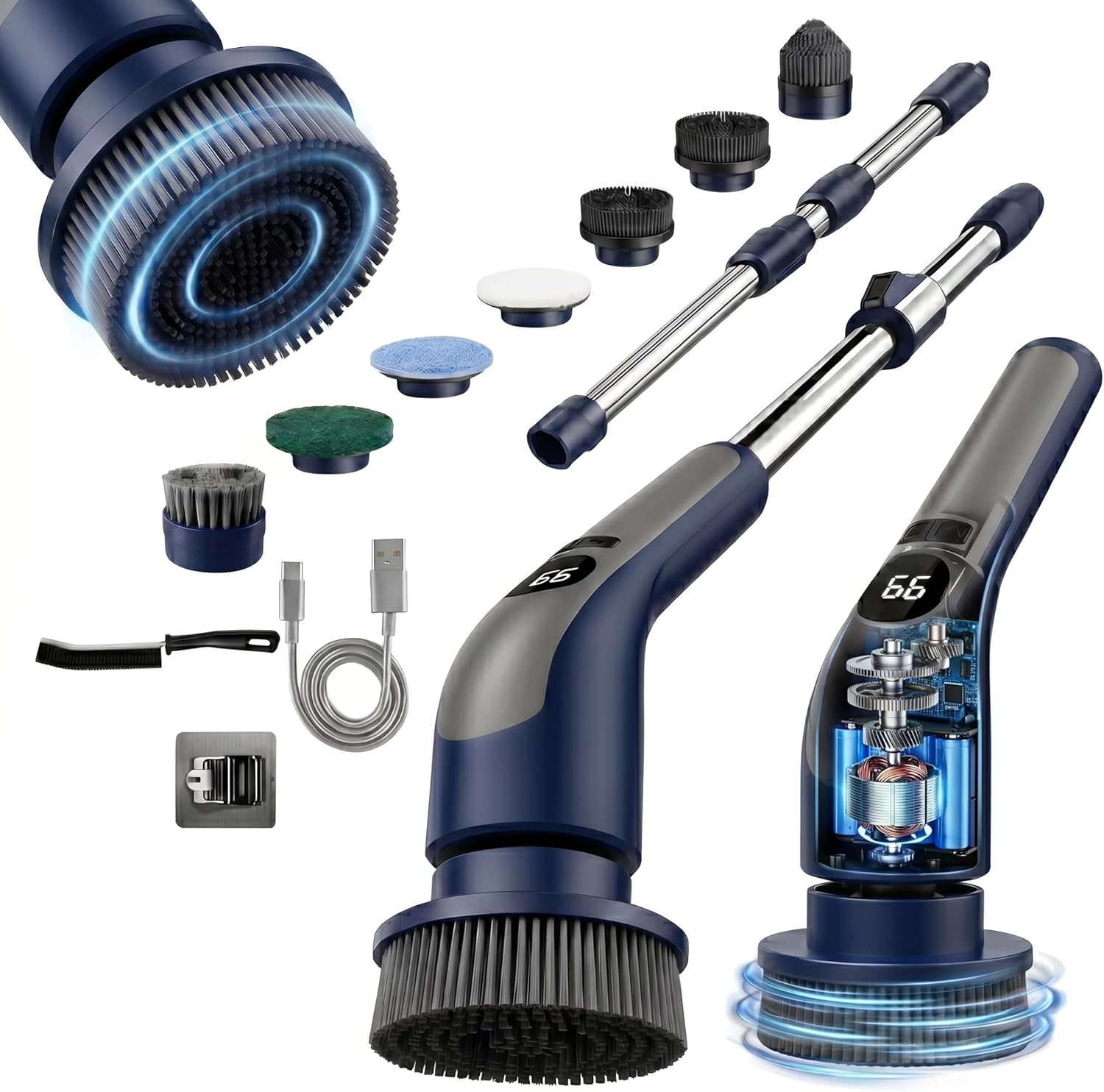
An electric spin scrubber is a battery-powered cleaning tool with rotating brush heads that scrub surfaces automatically. These devices typically come with multiple brush attachments—for grout, tile, glass, and corners—and an extendable handle to reach high or low areas without bending. The motor spins the bristles at high speed, dislodging dirt and grime with far less physical effort than manual scrubbing.
Models like the LIVINGPRO Electric Spin Scrubber with LCD Display feature an upgraded 70W motor, IPX7 waterproof construction, and dual speed settings, making them versatile for everything from shower walls to kitchen backsplashes. Many also include LCD screens that show battery life and speed mode, adding a tech-forward convenience.

What Is a Manual Scrub Brush?
A manual scrub brush is a classic, non-electric cleaning tool with stiff bristles and a handle. You apply pressure and scrub back and forth by hand. Manual brushes come in various shapes—long-handled for floors, short-handled for countertops, and small detail brushes for grout lines. They’re inexpensive, don’t require charging, and are easy to store. However, they rely entirely on your physical effort, which can lead to fatigue, especially when cleaning large areas or stubborn grout.
Key Differences at a Glance
| Feature | Electric Spin Scrubber | Manual Scrub Brush |
|---|---|---|
| Cleaning Power | High (motorized rotation) | Low to moderate (depends on user force) |
| Effort Required | Minimal | High (arm fatigue over time) |
| Speed | Fast (covers large areas quickly) | Slow (requires repeated passes) |
| Versatility | Multiple brush heads for different surfaces | Limited to one brush style per tool |
| Battery Life | Limited (usually 45–90 minutes) | Unlimited (no power needed) |
| Cost | $30–$80 | $5–$20 |
| Maintenance | Battery charging, occasional brush head replacement | Minimal (rinse and dry) |
Which Cleans Better on Tile and Grout?
For tile surfaces—especially glazed ceramic or porcelain—both tools can work, but the electric spin scrubber has a clear advantage. The rotating brush heads create a consistent, high-speed scrubbing action that lifts soap scum and hard water stains from flat tiles in seconds. With a manual brush, you’d need to scrub vigorously and often go over the same spot multiple times to get the same result.
When it comes to grout lines—the porous, often stained gaps between tiles—the difference is even more dramatic. Electric spin scrubbers typically include a small, pointed brush head designed specifically for grout. The spinning motion digs into the grooves without requiring you to strain your wrist. Manual grout brushes demand repetitive back-and-forth motion that can quickly tire your hand and still leave residue behind. For deep grout cleaning, an electric scrubber is the superior choice.
Bathroom Cleaning: Shower, Tub, and Sink
Bathroom cleaning involves a mix of surfaces: fiberglass tubs, acrylic showers, porcelain sinks, and glass doors. A manual scrub brush works adequately on all of them, but it’s slow. You’ll need to apply cleaning solution, let it sit, then scrub each section by hand. With an electric spin scrubber, you can attach a soft bristle head for glass (to avoid scratching) and a medium bristle head for tubs and sinks. The extendable handle lets you reach the top of shower walls without a stool, and the rotating action cuts cleaning time in half.
For example, using the LIVINGPRO Electric Spin Scrubber with LCD Display, you can clean a standard shower in under 10 minutes—including grout lines—while a manual brush might take 20–25 minutes with more physical strain.
Durability and Maintenance Considerations
Manual scrub brushes are nearly indestructible. They don’t have batteries, motors, or electronics to fail. You can soak them in bleach, toss them in the dishwasher, or leave them in a bucket of water—they’ll keep working for years. Electric spin scrubbers, on the other hand, have moving parts that require care. Most are waterproof (look for IPX7 or higher rating), but you should still avoid submerging the handle where the battery is housed. Brush heads need periodic replacement, and the battery will eventually degrade after hundreds of charge cycles.
That said, a quality electric scrubber like the LIVINGPRO model offers a durable build, and with proper maintenance—rinsing brush heads after use and storing in a dry place—it can last for several years.
Which Tool Saves More Time and Effort?
If you clean your bathroom weekly, the time savings of an electric spin scrubber are substantial. A typical bathroom with a tub, shower, toilet, sink, and floor might take 45 minutes with a manual brush. With an electric spin scrubber, that can drop to 20–25 minutes. Plus, you avoid the sore arms and back strain that come from leaning over a tub for extended periods. For people with arthritis, chronic pain, or limited mobility, an electric scrubber can be life-changing—it makes cleaning accessible without discomfort.
When to Stick with a Manual Scrub Brush
Manual scrub brushes aren’t obsolete. They’re ideal for quick touch-ups—like scrubbing a single sink or spot-cleaning a toilet bowl. They’re also great for small, tight spaces where an electric scrubber’s head might be too bulky, such as around faucet bases or behind the toilet. And if you’re on a tight budget, a manual brush costs just a few dollars and will never run out of power. For occasional cleaning, a manual brush is perfectly adequate.
What About the Best All-Purpose Cleaning Cloth?
No matter which scrubber you choose, you’ll need a high-quality cloth for drying and polishing after cleaning. The The Original All-Purpose Cleaning Cloth (2-Pack) is a fantastic companion—it’s lint-free, absorbent, and safe on all surfaces, including glass and tile. After you scrub, use it to wipe away residue and leave a streak-free shine.
Final Verdict: Which Cleans Better?
For deep, fast, and effortless cleaning of tile, grout, and bathroom surfaces, the electric spin scrubber wins hands down. It delivers superior cleaning power, reduces physical effort, and cuts cleaning time in half. The manual scrub brush remains a useful backup for small jobs and tight spots, but it can’t compete with the efficiency of a motorized tool.
If you’re ready to upgrade your bathroom cleaning routine, consider investing in a high-quality electric spin scrubber. It will transform the way you clean—and you’ll wonder how you ever managed without one.
Call to Action
Ready to ditch the elbow grease? Explore the LIVINGPRO Electric Spin Scrubber with LCD Display today and experience a cleaner, faster, and more comfortable bathroom cleaning session. Your tile and grout will thank you!